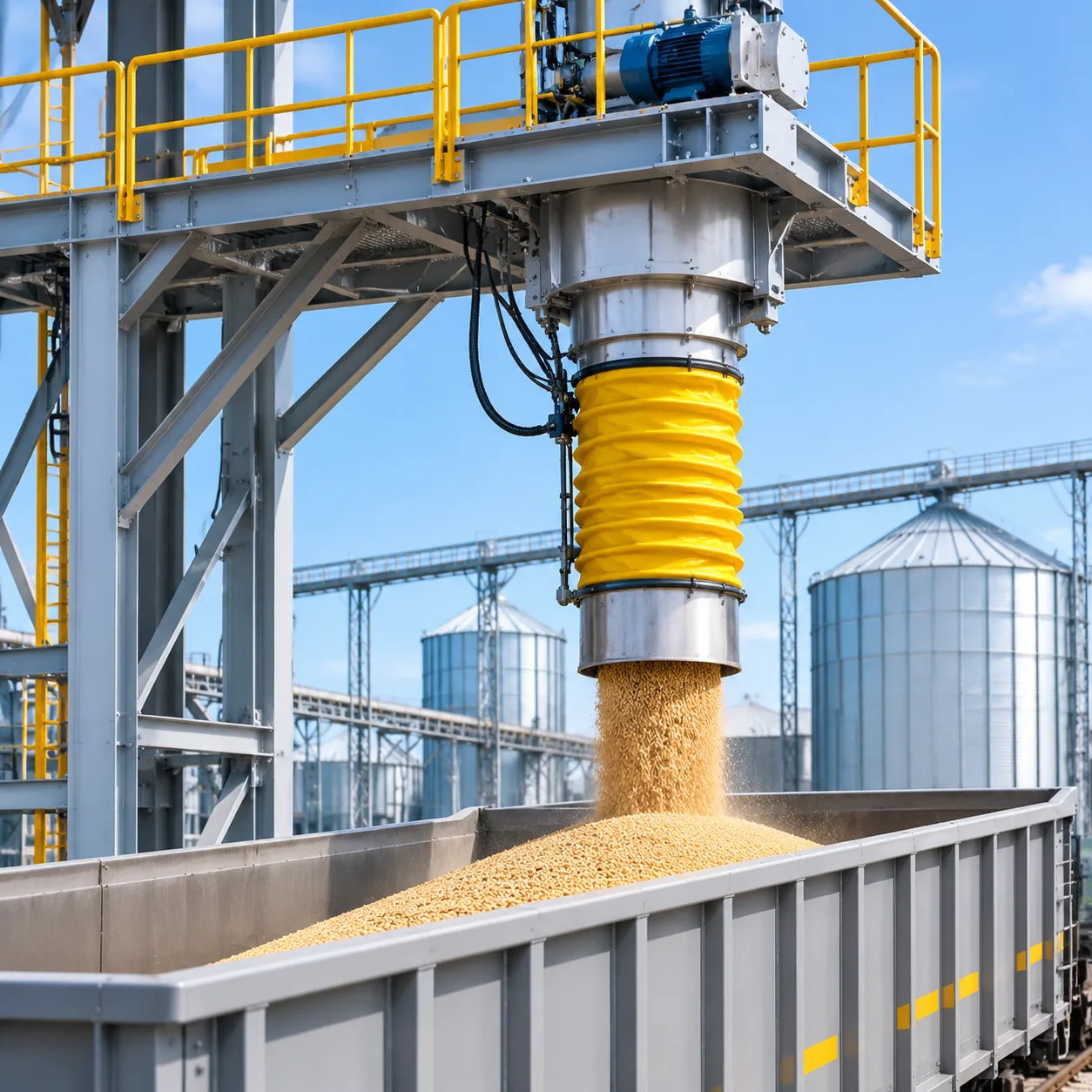
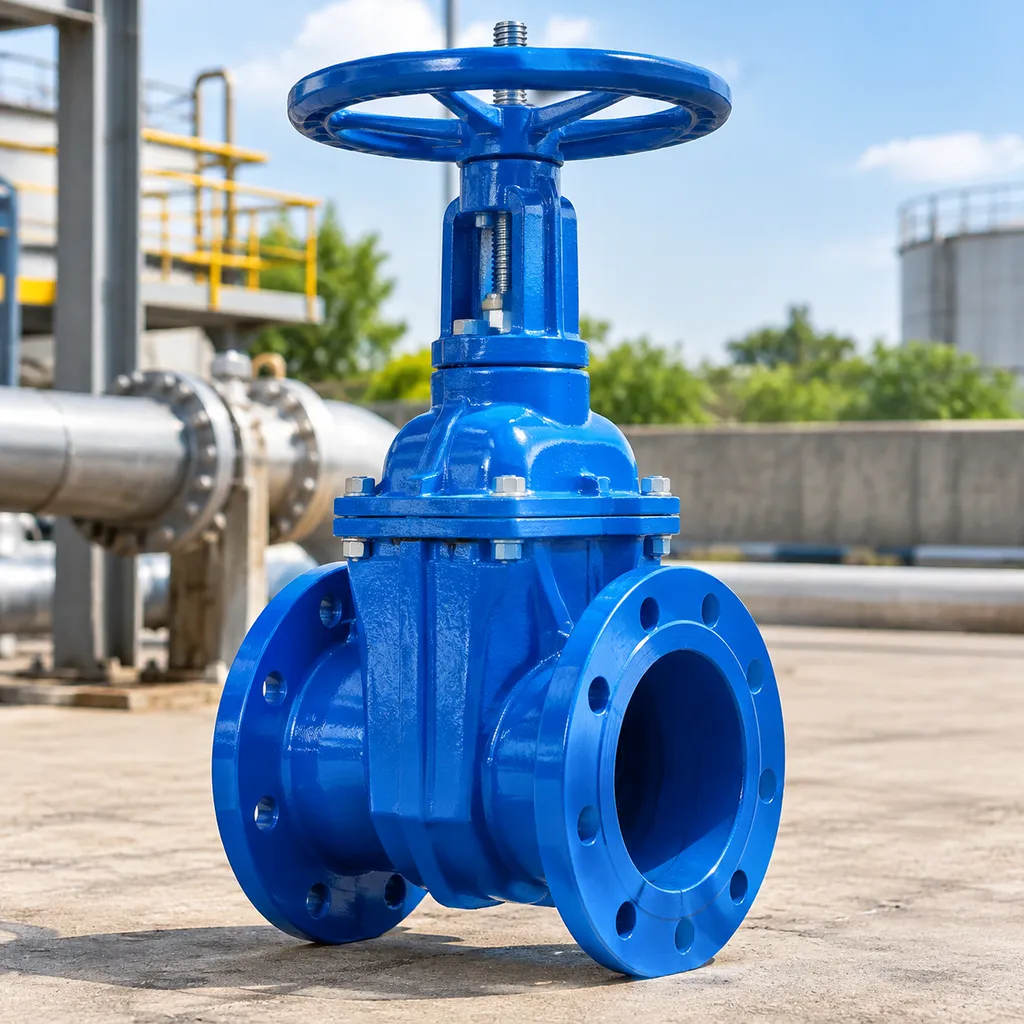
Formula details
Product Details
Overview
6-Inch Slide Gate Valve Technical Specifications
Key Dimensions and Nominal Bore Verification
Our standard 6 slide gate valve features an accurate 150 mm (6-inch) nominal passage. We offer both square and round cross-section designs to match standard flange transitions and eliminate product retention zones.
-
- Nominal Bore Size: 6 inches (150 mm / DN150)
- Port Geometries: Full-bore round or full-opening square configurations
- Inlet/Outlet Profiles: Flanged connections built for ANSI, DIN, or custom bolt patterns
- Blade Travel: Linear displacement designed for clear, unobstructed material throughput
| Parameter | 6" Valve Baseline Specification |
|---|---|
| Nominal Bore | 6 Inch (DN150 / 150 mm) |
| Inlet / Outlet Design | Round or Square standard apertures |
| Body Construction | Carbon Steel, Cast Iron, Cast Aluminum, or 304/316 Stainless Steel |
| Blade / Plate Material | 304 / 316 Stainless Steel, Hardened Carbon Steel |
| Flange Patterns | ANSI standard, DIN standards, or engineered custom bolt circles |
| Operating Pressure | Gravity discharge systems up to low-pressure pneumatic lines |
| Temperature Range | Standard ambient to high-temperature thermal builds |
| Standard Seal Types | PTFE (Teflon), polymer gland packing, or dense felt packing |
Material Grades and Body Construction
We manufacture the valve housing and sliding gate plate using field-proven industrial alloys tailored to mechanical stress and media compatibility:
-
- Housing Assemblies: Available in fabricated carbon steel, cast iron, lightweight aluminum, or corrosion-resistant 304/316 stainless steel.
- Gate Blades: Precision-machined 304 or 316 stainless steel blades resist galling and deflection, while hardened carbon steel options provide longevity against abrasive materials.
Pressure, Temperature, and Seal Integrity
Every 6 inch slide gate valve is configured to match operating line requirements:
-
- Operating Pressure: Engineered primarily for gravity-fed bulk material drops, with options configured for low-pressure pneumatic conveying isolation.
- Thermal Thresholds: Standard configurations handle ambient industrial ranges, while high-temperature packing accommodates hot process lines.
- Leakage Classifications: Factory-adjusted gland packings—including PTFE, industrial polymer, and felt—maintain a dust-tight seal around the blade to prevent atmospheric dusting.
6 Slide Gate Valve Dimensions and Mounting Patterns
Proper fitment determines how quickly an isolation valve drops into your production line without costly chute modifications. We design each 6 slide gate valve with a low-profile footprint to conserve vertical headroom while delivering full-bore, unrestricted gravity flow.
Overall Dimensions and Face-to-Face Envelope
Our standard 6 inch slide gate valve maintains a compact profile across the frame assembly to fit tight spaces between process vessels.
| Dimension Parameter | Round Port (DN150) | Square Port (6" x 6") |
|---|---|---|
| Inside Bore / Flow Aperture | 6.0 in (152 mm) | 6.0 x 6.0 in (152 x 152 mm) |
| Face-to-Face Height | 2.50 to 3.50 in (63.5 to 89 mm) | 2.50 to 4.00 in (63.5 to 101.6 mm) |
| Overall Frame Width | 10.50 in (267 mm) | 11.00 in (279 mm) |
| Overall Length (Retracted) | 18.25 in (463 mm) | 18.75 in (476 mm) |
| Overall Length (Extended) | 25.50 in (648 mm) | 26.00 in (660 mm) |
For comprehensive layout schematics and CAD drawings before ordering, review our slide gate valve dimensions and specifications guide.
Round vs. Square Port Openings
Matching the gate opening to your upstream throat prevents shelf ledges where material builds up:
-
- Square Port: Delivers the largest active discharge area under rectangular hopper transitions, mechanical chutes, and screw feeder inlets. The flat frame walls eliminate bridging points for sluggish powders.
- Round Port: Engineered for standard pipe schedules, pneumatic discharge ducts, and transition spouts. It matches existing circular flanges with zero transition adapters.
Standard Flange Bolt Patterns and Custom Alignments
We configure every 6-inch flanged slide gate valve to match common international and plant-specific drilling standards:
-
- ANSI/ASME Class 150: Standard 8-hole pattern with matching bolt circle diameters for standard pipe connections.
- Metric Patterns: DIN PN6, PN10, and PN16 compatible drillings for global processing systems.
- Mounting Holes: Drilled through for loose clearance bolts or blind-tapped to secure flanges directly beneath tight transitions without obstructing blade travel.
- Custom Flange Mappings: We manufacture custom rectangular, square, or slotted hole layouts directly from your field measurements to match legacy chutes without field welding.
Matching Connections to Hoppers, Chutes, and Silos
Mounting a valve under bulk storage requires smooth interior boundaries:
-
- Hopper and Silo Flanges: Bolt our valve directly to the bottom discharge cone flange using high-tensile fasteners to carry material column weight.
- Chutes and Diverters: Maintain identical inlet sizes so the sliding blade cuts through falling streams without packing material against interior frame stops.
- Flexible Boots and Transitions: When isolating equipment subjected to vibration, bolt the top flange rigid to the chute and couple the outlet using a flexible sleeve to prevent mechanical stress on the valve frame.
Material Selection for 6-Inch Slide Gate Valves
Selecting the right materials prevents premature failure and significantly reduces maintenance downtime. Understanding these material trade-offs is essential, as the price 6 slide gate valve variations often depend on the alloy grades, coatings, and protective liners selected for your specific process.
Our valves and flow control solutions are engineered to match your environmental requirements, from standard industrial duty to specialized sanitary or corrosive applications.
Material Comparison Guide
| Component | Standard Application | Sanitary / Corrosive Application |
|---|---|---|
| Body Construction | Carbon Steel | 304 or 316L Stainless Steel |
| Blade Material | Hardened Carbon Steel | 316 Stainless Steel |
| Sealing Element | Industrial Polymer Packing | Food-Grade PTFE or Silicone |
Engineered Features for Longevity
-
- Abrasive Protection: For handling aggressive bulk solids like cement or minerals, we integrate hardened blade options and replaceable wear liners. These additions extend the operational lifecycle of your 6 slide gate valve under high-wear conditions.
- Dust-Tight Sealing: Our precision-machined housing and adjustable gland packing designs ensure positive shut-off. This prevents fine powder leakage, maintaining a cleaner workspace and protecting your pneumatic conveying systems.
- Corrosion Resistance: For chemical processing or moisture-rich environments, our stainless steel configurations protect against rust and product degradation, ensuring reliable gate movement and consistent material flow over time.
Actuation Methods for 6-Inch Slide Gate Valves
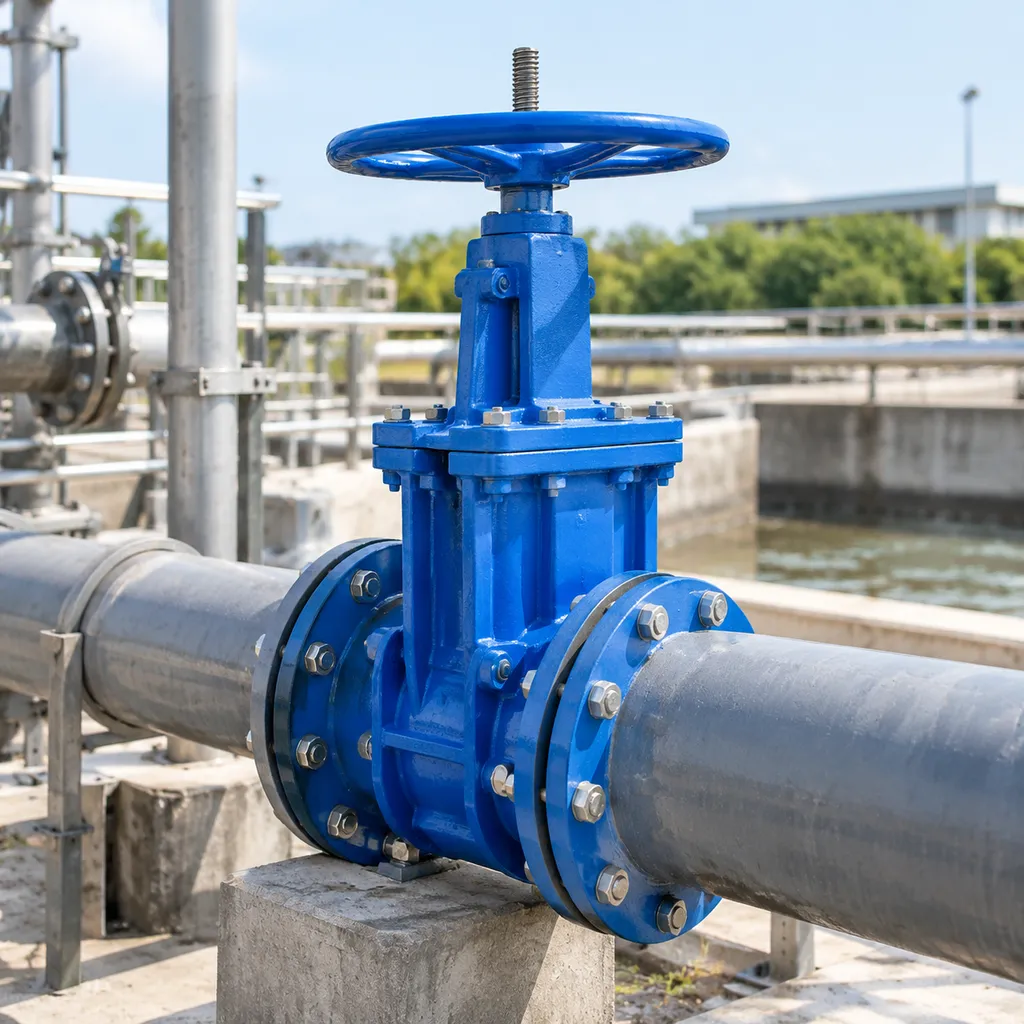
Manual Handwheel and Chainwheel Operation
Manual operation is the most cost-effective solution for non-automated processes, maintenance isolation, and low-frequency dump cycles:
-
- Handwheel Drive: Direct-drive or bevel-gear handwheels provide smooth manual torque for accessible shut-off locations under bins and hoppers.
- Chainwheel Drive: Designed for elevated lines and overhead silo discharges, allowing operators to safely actuate the valve from floor level.
- Safety Lockouts: Integrated locking pins allow positive lockout/tagout (LOTO) during downstream equipment servicing.
Pneumatic Cylinder Actuation for Rapid Automated Cycling
A 6-inch pneumatic slide gate valve is the standard choice for rapid, repetitive isolation in automated dry bulk handling systems:
-
- Double-Acting Cylinders: Deliver positive open and close strokes using standard factory compressed air.
- Fast Cycle Speeds: Actuates in seconds, making it ideal for scale hoppers, batch weigh systems, and continuous bagging lines.
- Fail-Safe Options: Can be equipped with spring-return cylinders or air reservoirs for automatic closure during air-supply failures.
Electric Motor Actuators for Precise Positioning
For applications requiring regulated material discharge rather than simple shut-off, an electric 6 slide gate valve provides variable positioning:
-
- Accurate Flow Metering: Modulating electric actuators stop the blade at specific intermediate setpoints to control bulk feed rates.
- Industrial Motor Drives: High-torque configurations handle heavy material columns without stalling.
- Plant Integration: Operates on standard AC power supplies without requiring pneumatic air lines.
Limit Switches, Positioners, and Automation Accessories
We equip automated gate assemblies with complete monitoring and control packages:
-
- Position Sensors: Magnetic reed switches, mechanical microswitches, or inductive proximity sensors to verify open/closed states.
- Smart Positioners: 4–20 mA or digital bus-controlled positioners for precise blade travel feedback.
- Solenoid Valves: Pre-plumbed 3-way or 4-way solenoids in standard voltages with integrated exhaust mufflers.
- System Integration: These control modules allow our slide gates to work seamlessly alongside plant diverter valves and pipeline butterfly valves for unified material handling automation.
Industrial Applications for 6 Slide Gate Valves
We build the 6 slide gate valve for positive shut-off and material flow control across dry bulk processing operations. Whether installed on storage vessels or in-line process connections, our valve designs isolate product flow reliably without jamming.
Gravity Discharge Control Under Hoppers and Bins
Our 6 inch slide gate valve serves as the primary shut-off point directly beneath storage silos, hoppers, and surge bins.
-
- Maintenance Isolation: Allows downstream equipment servicing while hoppers remain fully loaded.
- Controlled Emptying: Delivers clean open/close cycling without displacing bulk product outside the stream.
- Integrated Feeding: Frequently installed upstream of rotary airlock valves to isolate feed hoppers during routine maintenance.
Dry Bulk Solids, Pellets, and Powder Handling Systems
Standard 6-inch transfer chutes handle a wide range of granular and powderized media. We engineer the 6 slide gate valve to control:
-
- Plastics and Resins: Smooth passage for pellets, flakes, and regrind without shearing or line obstruction.
- Agricultural Products: Clean shut-off for grains, animal feeds, and seed processing.
- Minerals and Chemicals: Positive containment of cement powder, sand, lime, and chemical additives.
Pneumatic Conveying Line Isolation
In low-pressure pneumatic conveying and air-assisted transfer lines, the valve maintains line integrity and prevents cross-contamination between feed points.
-
- Pressure Containment: Prevents pressure drops across dilute-phase system branches when installed above charge points.
- Dust-Tight Sealing: Polymer and packing gland arrangements ensure fine particulate does not escape into ambient plant air.
- System Integration: Pairs seamlessly with systems utilizing air slide conveyors to route fluidizable powders between processing stations.
Material Flow Limitations Requiring Custom Engineering
While our standard 6-inch units manage typical free-flowing dry solids, specific operating conditions require specialized engineering modifications:
-
- Sticky or Cohesive Powders: Materials with high moisture content can pack into bonnet cavities; we provide displacement pocket designs to prevent blade stalling.
- Abrasive Bulk Media: Heavy aggregate or silica sand causes blade and body erosion, requiring hardened steel liners and abrasion-resistant blade plates.
- High-Temperature Media: Processing lines exceeding standard ratings require specialized packing seals and high-temperature graphite gaskets.
- Liquid Slurries: Slide gate valves are engineered specifically for dry bulk solids; liquid slurries or high-pressure hydraulic lines require specialized process valves instead.
Price 6 Slide Gate Valve Cost Factors and RFQ Guide
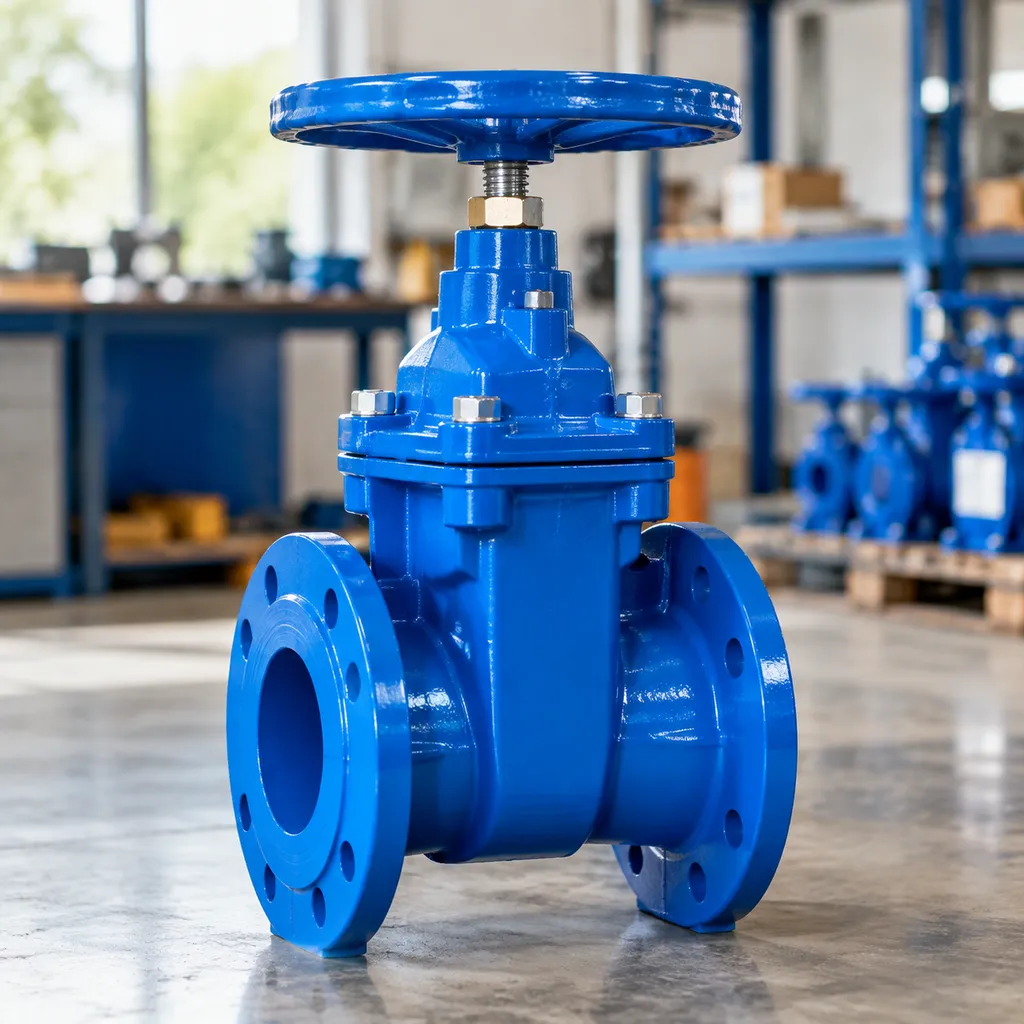
Calculating an accurate price 6 slide gate valve budget requires looking past baseline off-the-shelf figures. The final unit cost reflects specific mechanical requirements, sealing grades, and how the valve integrates into automated industrial solutions.
Core Variables Influencing 6-Inch Slide Gate Valve Price
Four primary technical factors govern the cost of an industrial 6 inch slide gate valve:
-
- Actuator Selection: Moving from a basic manual handwheel to high-cycle pneumatic or electric actuation directly shifts the price point.
- Process Metallurgy: Carbon steel housings offer the most economical baseline, whereas 304 or 316L stainless steel builds require higher material and machining investments.
- Sealing Package: Standard felt or basic polymer packing costs less up front than precision-machined PTFE, high-temperature graphite, or live-loaded gland assemblies.
- System Pressure: Gravity-fed slide gates feature lighter structural frames than heavy-duty valves built for positive or negative pneumatic conveying lines.
Cost Comparison: Manual, Pneumatic, and Electric Setups
Drive configuration has the largest immediate impact on the base purchase price of any 6 slide gate valve:
| Drive Type | Cost Tier | Cycle Speed | Typical Application |
|---|---|---|---|
| Manual Handwheel / Chain | Baseline | Operator-dependent | Infrequent maintenance shutoff, manual dump hoppers |
| Pneumatic Cylinder | Moderate (+35% to +60%) | Rapid (1–3 seconds) | High-frequency cycling, emergency cuts, batch weighing |
| Electric Motor Actuator | Premium (+75% to +140%) | Controlled / Modulated | Metered bulk feeding, plants lacking compressed air lines |
Price Impact of Specialty Alloys, Coatings, and Custom Flanges
Customizing standard components ensures line reliability, but introduces specific cost variances:
-
- Corrosion Resistance: Specifying 304 or 316 stainless steel for chemical resistance or sanitary washdown environments increases manufacturing costs by 40% to 70% over standard carbon steel.
- Abrasive Wear Protection: Hardened blade plates, chromium carbide overlays, and AR400 liners add to initial costs but significantly lower total cost of ownership in high-wear abrasive dry bulk handling.
- Flange Modifications: Standard 150# ANSI or DIN bolt circles represent the standard production run. Custom bolt patterns, oversized flange profiles, and square-to-round discharge transitions require dedicated CNC setup, resulting in minor fabrication premiums.
Critical Process Details Required for an Accurate Price Quote
To secure a firm, competitive quote for a 6-inch slide gate valve without project delays, prepare the following operational data before submitting an RFQ:
-
- Material Profile: Product name, bulk density (lbs/ft³ or kg/m³), particle size, moisture content, and abrasiveness.
- Operating Conditions: Continuous process temperature, ambient conditions, and whether the valve operates under gravity flow or differential system pressure.
- Actuation Preferences: Plant air pressure (PSI/bar) for pneumatic cylinders, or operational voltage and phase requirements for electric actuators.
- Electrical Classification: General purpose or hazardous area ratings (explosion-proof/ATEX classifications) for integrated limit switches, positioners, or solenoid coils.
- Upstream/Downstream Equipment: Connection details for hoppers, screw feeders, or modern bulk material systems such as a bulk loading dispatch system.
6-Inch Slide Gate Valve Installation and Maintenance Guide
Proper Mounting Orientation and Bolt Torque Procedures
Installing a 6 slide gate valve requires strict attention to flow direction and flange alignment:
-
- Mounting Orientation: Verify the flow arrow on the valve body. Install the valve so bulk solids enter the open cavity and exit past the blade seat, minimizing material packing around the gland seals. In pressurized pneumatic lines or heavy gravity drop lines—such as a cement fly ash conveying system—proper seat orientation protects the internal seals from direct material impact.
- Flange Alignment: Ensure mating hopper flanges and drop chutes are parallel and concentric. Never use the valve body to draw misaligned piping together, as this can twist the frame and cause the blade to bind.
- Cross-Pattern Torquing: Tighten flange bolts progressively using a crisscross star pattern. Apply even torque in increments to prevent distorting the internal slide tracks.
- Fastener Clearance: Confirm that the mounting bolt lengths do not protrude into the blade travel path or interfere with the cylinder clevis on a 6-inch pneumatic slide gate valve.
Preventing Material Buildup and Blade Jamming
Fine powders, hygroscopic granules, and sticky bulk materials can pack into the internal guides over repeated cycles:
-
- Cycle Cleanout: Cycle the valve fully open and fully closed during system purge sequences to clear accumulated solids from the end pocket.
- Purge Ports: If your valve includes air-purge or purge-tap connections, connect clean, dry plant air to continuously sweep fine dust from the blade guides.
- Blade Edge Care: Never force a jammed gate closed with excessive actuator air pressure or cheater bars on a manual 6 inch slide gate valve. Inspect the leading edge for wedged tramp metal or caked material before clearing.
Routine Seal Inspection and Packing Adjustment Intervals
Maintaining a dust-tight seal requires regular monitoring of the gland packing and side seals:
| Interval | Component | Action Required |
|---|---|---|
| Weekly | External Housing & Seals | Check visually for dusting or particulate tracking around the seal gland. |
| Monthly | Gland Packing Bolts | Tighten packing gland nuts evenly in 1/4-turn increments to stop dusting without overloading the actuator. |
| Quarterly | Blade & Seal Guides | Inspect the blade plate for scoring, galling, or localized wear; check polymer wiper condition. |
| Annually | Seal Replacement | Replace PTFE, felt, or elastomer packing sets during scheduled shutdowns. |
Troubleshooting Leakage and Actuator Travel Errors
-
- Blade Stalls Before Full Close:
- Cause: Material packed tightly into the rear seat pocket or insufficient air supply to the pneumatic cylinder.
- Fix: Check operating air pressure (standard 60–80 PSI). Clear packed solids from the seal cavity and cycle under zero head-load.
- Material Dusting Past the Gland:
- Cause: Relaxed packing tension or worn packing braid.
- Fix: Retorque the packing gland followers evenly. If the packing follower bottoms out, replace the internal packing rings.
- Erratic Blade Movement:
- Cause: Misaligned side guides, low air flow, or bound drive screws.
- Fix: Lubricate external drive screws on manual units; clean and inspect linear tracks. Re-align the actuator mounting bracket if the cylinder rod shows side deflection.
Frequently Asked Questions About 6-Inch Slide Gate Valves
What does 6-inch designate on this slide gate valve?
On our 6 inch slide gate valve, the 6-inch measurement designates the nominal bore (DN150) or clear opening aperture of the valve throat. Depending on your pipeline or vessel design, this opening comes in either a 6-inch round bore or a 6-inch square pattern. It guarantees an unobstructed flow path for dry powders, granules, and pellets matching a standard 6-inch line or discharge chute.
What is the difference between a slide gate valve and a knife gate valve?
While both regulate material flow, their internal mechanics target completely different media:
| Feature | 6 Slide Gate Valve | Knife Gate Valve |
|---|---|---|
| Primary Media | Dry bulk powders, pellets, aggregates | Liquids, slurries, paper pulp, wastewater |
| Blade Design | Flat plate supported on perimeter guides | Beveled-edge knife designed to slice media |
| Jam Resistance | Dust-tight seals prevent powder packing | Media can pack into solids cavities |
| Primary Flow Type | Gravity discharge and low-pressure pneumatic | Pressurized liquid and slurry piping lines |
Can a 6-inch slide gate valve handle positive pressure systems?
Yes. While standard models operate under gravity flow, we configure the 6 slide gate valve with sealed bodies, heavy-duty polymer seals, and live-loaded gland packing to handle dilute-phase pneumatic conveying systems operating under moderate positive or negative pressure.
How much does a replacement 6-inch slide gate valve cost?
The baseline price 6 slide gate valve configurations depend primarily on the actuation type, body material, and sealing needs:
Manual Configurations: A standard carbon steel handwheel or chainwheel valve serves as the most economical option.
Pneumatic Packages: Adding double-acting pneumatic cylinders with position sensors and solenoid valves raises the unit cost to account for automation hardware.
Specialty Materials: Valves built from 304 or 316 stainless steel with custom high-temperature or food-grade packing will carry a higher unit price than standard mild steel models.
What maintenance does a pneumatic slide gate require?
Our pneumatic units require minimal routine servicing to ensure long service life:
Air Supply Check: Maintain clean, dry, regulated air (typically 60–80 PSI) to the cylinder.
Packing Inspection: Check the blade packing area periodically and tighten gland bolts evenly if fine powder seepage appears.
Guide Cleaning: Ensure the blade travel paths remain free of hard-packed residue during scheduled plant shutdowns.
Sensor Verification: Confirm magnetic reed switches or mechanical limit switches remain properly aligned on the cylinder body.
How do I ensure the valve matches my existing bolt pattern?
We machine mounting flanges to standard ANSI 150# drilling, DIN patterns, or square equipment flange templates. When retrofitting beneath transition chutes, hoppers, or discharge outlets on cement silos, supply us with your bolt circle diameter (BCD), hole count, and center-to-center hole spacing to match your mating connection without on-site field modifications.