Formula details
Product Details
Overview
Key Benefits of Our Truck Loading Spouts
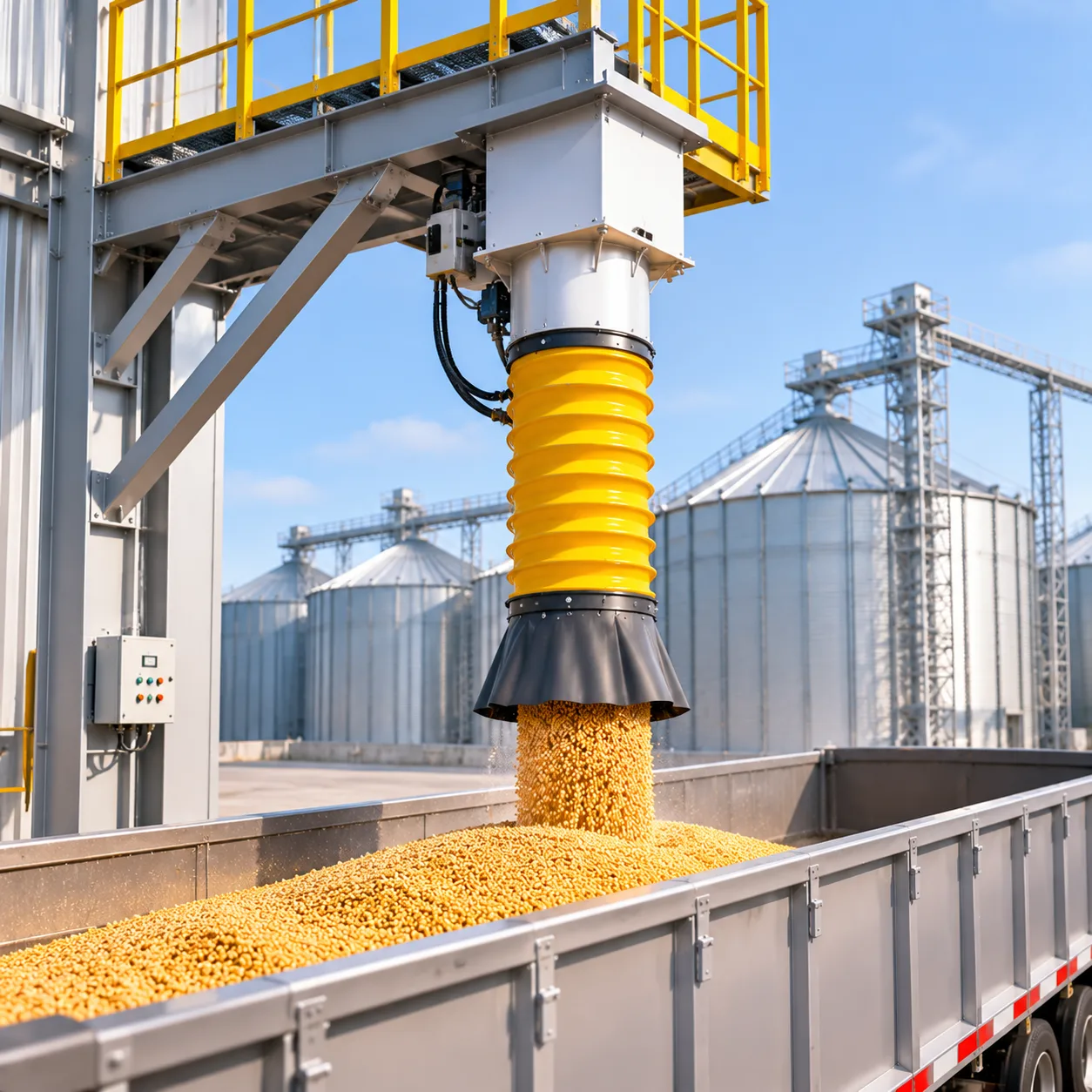
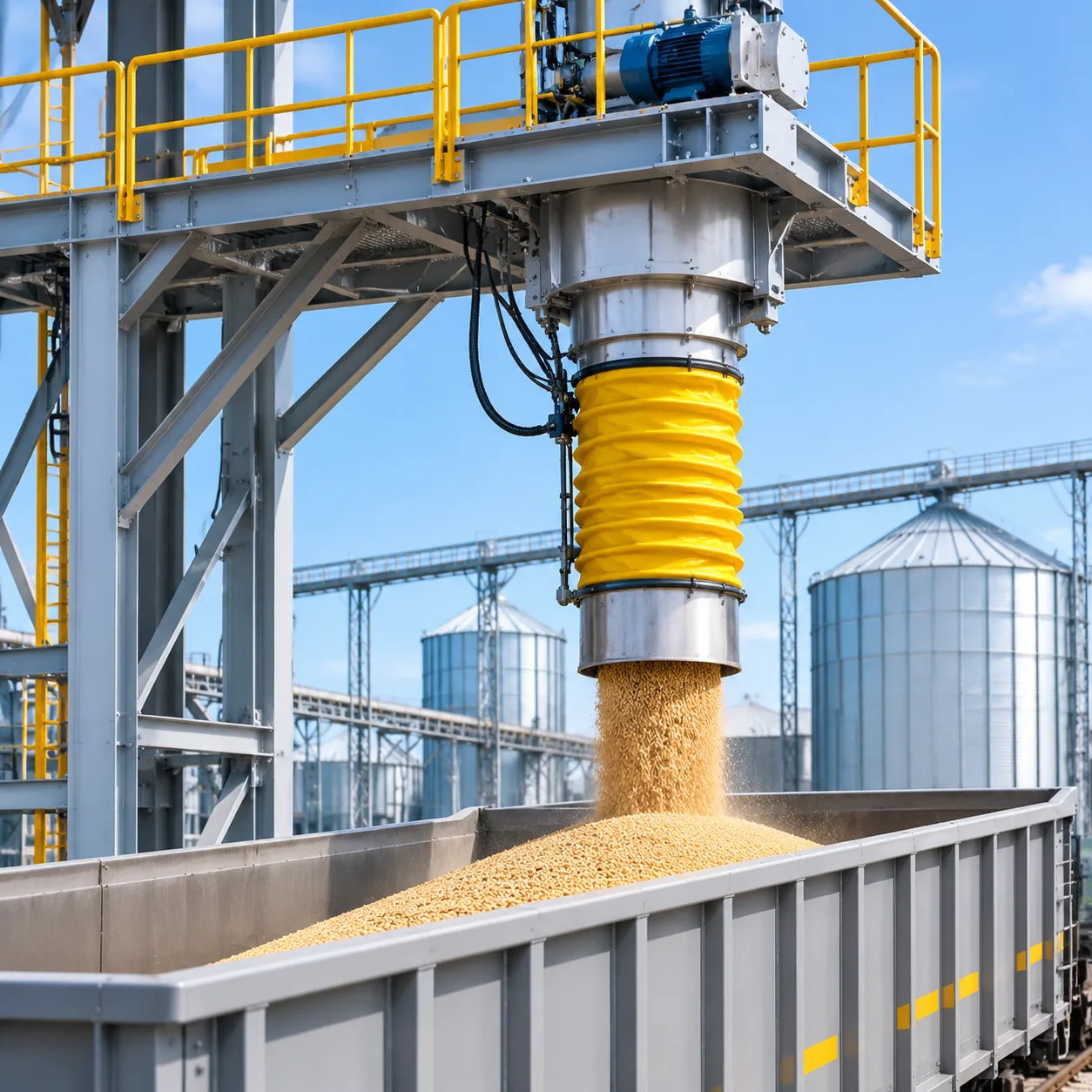
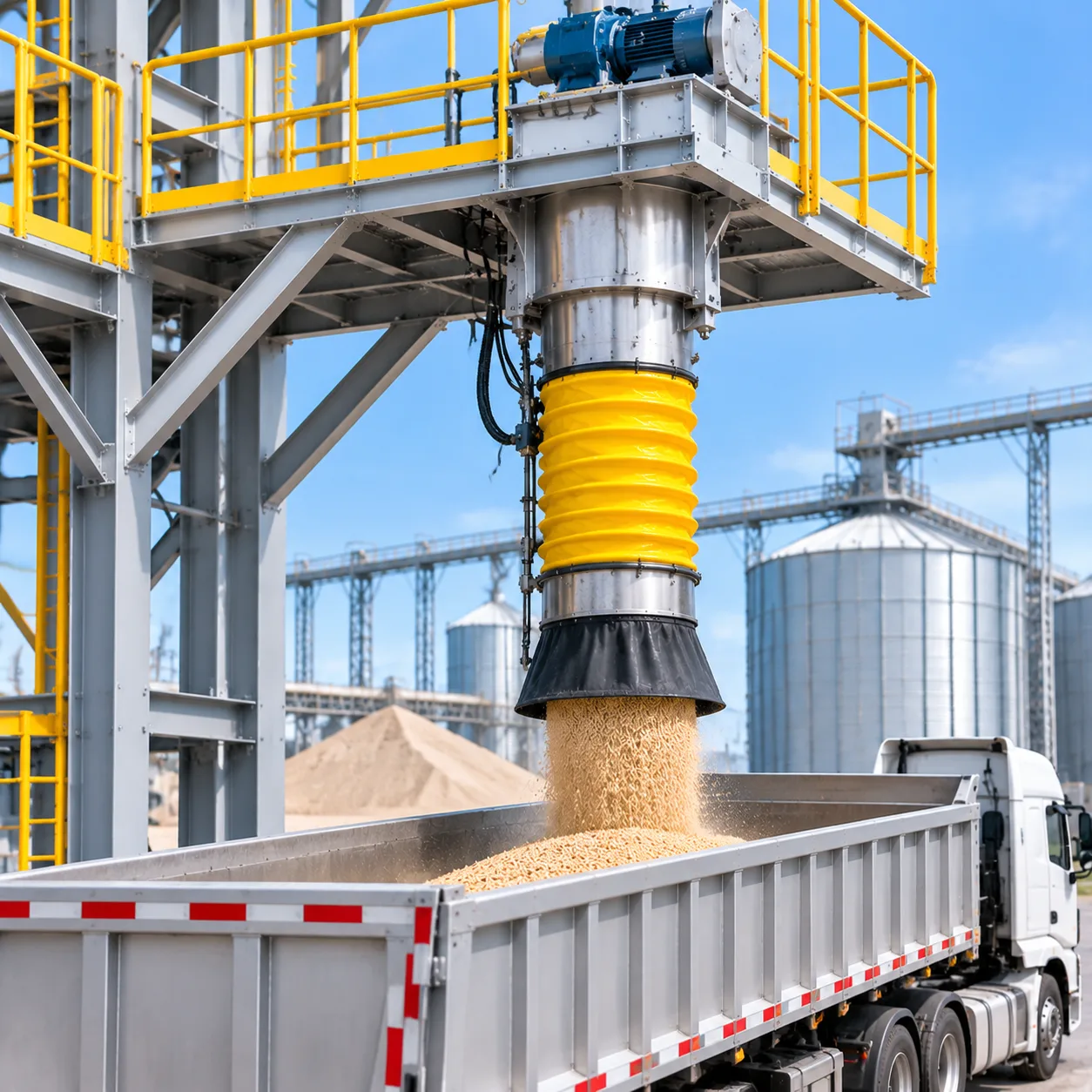
Handling dry bulk solids requires fast, dependable containment at the loadout bay. Our truck loading spout systems eliminate spillage, suppress airborne particulate, and keep loading lanes moving around the clock. Whether loading enclosed tankers or open-top flatbeds, our chutes deliver clean, high-capacity transfers directly from your storage silos.
| Operational Challenge | Uncontrolled / Conventional Loading | Our Telescopic Loading Spout Solution |
|---|---|---|
| Dust Emissions | Heavy fugitive dust, product loss, EPA/OSHA exposure | 99.9% containment with integrated vacuum dust extraction |
| Loading Cycle Time | Slow manual adjustments, visual checks, frequent stops | Automated high-capacity flow with auto-raise level sensors |
| Fleet Compatibility | Limited reach, messy transitions between truck types | Extended vertical stroke fitting tankers, flatbeds, and railcars |
| Bay Housekeeping | Daily manual washdowns and costly material scrap | Clean-seal discharge that keeps yards free of loose solids |
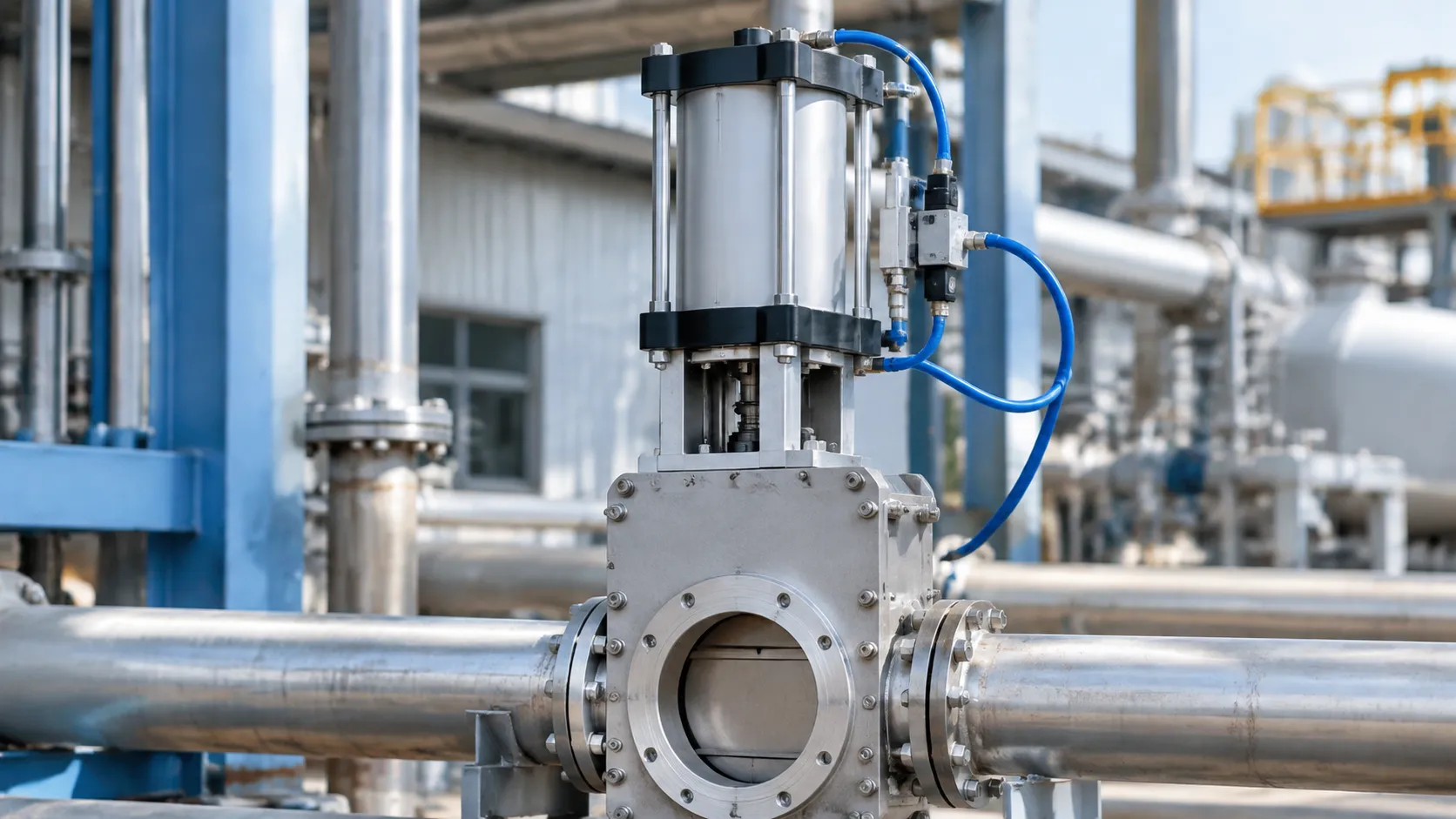
| Installation Fit | Complicated custom fabrications and duct rerouting | Direct bolt-on flanges matching standard gates and feeders |
Minimizing Fugitive Dust and Product Loss
Airborne particulate creates severe safety hazards and drains your bottom line. Our dustless loading spout utilizes a dual-path design: bulk material discharges through heavy-duty inner cones while displaced air and fine particles are drawn upward through a separate outer plenum. This prevents dust escape into the atmosphere and keeps valuable bulk materials inside the truck.
Accelerating Truck Turnaround and Loading Cycle Times
Slow bay cycles choke plant productivity. With automated winch drives and integrated level sensors, our dry bulk truck loader automatically raises as material accumulates inside the vehicle bed. This continuous operation maximizes flow rates, eliminates manual spout repositioning, and gets transport drivers weighed and off-site in minutes.
Adapting to Varying Truck Heights with Telescopic Travel
Fleet diversity should not complicate your loadout station. Featuring an extended vertical travel stroke, our retractable loading chute drops deep into high-walled open trucks or seals securely against low-clearance tanker hatch collars. Heavy-duty guide cables and industrial loading bellows maintain alignment throughout the full extension and retraction stroke.
Preventing Costly Cleanup and Environmental Compliance Issues
Dust emissions attract regulatory scrutiny, costly fines, and constant cleanup labor. Our sealed transfer systems keep product completely contained from the silo discharge gate to the truck bed. By eliminating ground-level spillage and fugitive plumes, your facility maintains compliance with strict particulate regulations while cutting housekeeping hours.
Seamlessly Integrating with Existing Silos and Conveyors
Retrofitting our bulk material loading chute into your existing infrastructure is straightforward. We engineer standard circular and square bolt patterns that mate directly with:
Slide gates and diverter valves
Rotary airlocks and screw feeder discharges
Plantwide central dust collection ductwork or dedicated top-mounted vent filters
Existing plant control panels via standard 24V DC or 120V AC automation interlocks
How a Truck Loading Spout Works
Our truck loading spouts automate this transfer through a reliable, five-stage mechanical cycle designed to eliminate product loss and keep your loadout bays clean.
1. Lowering and Positioning
The cycle begins by positioning the retractable loading chute directly over the vehicle. Using a heavy-duty motorized winch, the operator lowers the assembly:
For enclosed tankers: The discharge cone seals tightly into the vehicle's top inspection hatch.
For open-bed trucks: The unit lowers until the bottom dust skirt rests directly against the truck bed floor to prevent crosswinds from catching material.
2. Controlled Bulk Material Gravity Discharge
Once seated, the silo discharge valve or feeder opens. Bulk material drops by gravity through the inner stacking cones. These wear-resistant cones contain the downward stream, preventing product segregation and keeping abrasive particles away from the outer fabric bellows.
3. Displacing Air and Exhausting Dust
As dry solids fill the truck, they displace a massive volume of air. This air carries fine fugitive particles that would normally vent into the atmosphere. Our dustless loading spout design pulls this displaced air upward through the annular space between the inner cones and outer industrial loading bellows. A negative-pressure dust collector draws the airborne fines back through the exhaust plenum, preventing hazardous emissions and maintaining clean ambient air.
4. Automatic Level Sensing and Flow Shutoff
To eliminate overfilling and product spillage, integrated level sensors monitor the rising material bed:
Tilt switches, rotary paddles, or tuning forks detect when the bulk solids reach the discharge tip.
The sensor immediately triggers the upstream silo gate to halt material flow.
In open-truck applications, the system automatically pulses the hoist drive to raise the spout incrementally, maintaining the dust seal while building a uniform pile.
5. Retracting the Chute for Safe Departure
After flow ceases, the dust collection system continues running briefly to clear residual airborne fines. The motorized winch raises the telescopic loading spout back to its fully retracted park position, giving the driver ample overhead clearance to seal hatches and depart the loadout terminal safely.
Main Components and Build Quality of Our Truck Loading Spout
We build our truck loading spout systems to handle high-volume bulk transfers under demanding conditions. Every component balances structural rigidity with smooth vertical motion, keeping abrasive wear down and preventing dust release.
If your facility also manages trackside loadouts, we build these units using the same heavy-duty engineering found in our railcar loading spout for efficient railcar filling.
Core Structural Components
-
- Telescoping Inner Cones: Stacked, nested cones guide bulk solids straight down the center. This design separates the falling product stream from the outer exhaust path to prevent product degradation and contain fugitive dust.
- Heavy-Duty Outer Loading Bellows: Our industrial loading bellows isolate the displaced air zone. Constructed from multi-ply synthetic polymers, they resist outdoor weathering, mechanical flex fatigue, and continuous negative-pressure suction from dust collectors.
- Motorized Cable Winches and Drive Systems: A high-torque gearmotor powers precision cable drums to raise and lower the spout smoothly. Heavy-duty three-cable suspension eliminates tipping and binding during vertical travel.
- Integrated Level Sensors and Slack-Cable Switches: Tilt switches, rotating paddles, or capacitance probes sense when the truck hatch fills and trigger an automatic shutoff. Slack-cable limit switches immediately cut winch power if the lower discharge ring meets an obstacle.
- Wear Liners and Specialized Fabric Options: We line impact surfaces with replaceable wear-resistant steel to handle hard aggregates, or we supply certified food-grade fabrics and stainless steel for sanitary powders.
Component Build Specifications
| Component | Standard Build | Heavy-Duty & Sanitary Options |
|---|---|---|
| Inner Cones | Carbon Steel (3–4 mm) | Hardox 400/500, 304/316 Stainless Steel, Ceramic lining |
| Outer Bellows | Vinyl-coated polyester (PVC) | High-temp silicone, Hypalon, FDA-approved polyurethane |
| Lifting Cables | Galvanized aircraft cable | 316 Stainless steel multi-strand wire rope |
| Drive System | 0.75 kW – 2.2 kW TEFC electric hoist | Explosion-proof (ATEX/IECEx) motor, pneumatic hoist |
| Level Detection | Mechanical tilt switch | Rotary paddle, vibrating fork, microwave level sensor |
Every bulk material loading chute leaves our shop pre-assembled, aligned, and wired to factory-tested junction boxes. This ensures fast field mounting directly below your storage bins, feed hoppers, or control gates.
Compatible Bulk Materials and Industries for Truck Loading Spouts
Cement, Fly Ash, Lime, and Mineral Powders
Fine powders aerate quickly and behave like liquids during rapid discharge. We pair our dry bulk truck loaders with high-efficiency negative pressure systems to vent displaced air cleanly.
Key applications: Portland cement, hydrated lime, pulverized fly ash, gypsum, and calcium carbonate.
System integration: Often deployed alongside an automated cement fly ash conveying system to maintain a closed, dust-free route from storage silo to tanker hatch.
Agricultural Grains, Feed, and Oilseeds
High-volume grain terminals require equipment that moves product fast without cracking kernels or creating explosive dust clouds.
Key applications: Wheat, corn, soybeans, barley, animal feed pellets, and meal.
Design features: Smooth interior cones to prevent product degradation, anti-static flexible sleeves, and level-sensing probes rated for combustible dust environments.
Sand, Gravel, Aggregates, and Mining Ores
Coarse, high-density solids destroy standard steel chutes in weeks. We configure these units as heavy-duty bulk material loading chute systems designed specifically for high impact.
Key applications: Silica sand, crushed rock, iron ore, clinker, and limestone aggregates.
Wear protection: Replaceable Hardox wear cones, polyurethane liners, and double-wall bellows that resist puncture from sharp, jagged edges.
Plastic Pellets, Resins, and Chemical Powders
Chemical processors demand absolute purity and zero cross-contamination between batches.
Key applications: Polyethylene (PE) pellets, polypropylene (PP), soda ash, carbon black, and fertilizer granules.
Design features: 304 or 316 stainless steel contact surfaces, completely crevice-free welds, and food-grade rubber or silicone bellows to keep batches uncontaminated.
Biomass, Wood Pellets, and Dry Food Ingredients
Low-density materials require steady material guidance to eliminate blowback, while food processing calls for strict hygiene standards.
Key applications: Wood pellets, sawdust, agricultural biomass, flour, sugar, and starch.
Design features: ATEX/NFPA-compliant grounding strips, FDA-approved polymer liners, and sealed discharge closures to block outdoor moisture during open-truck loading.
Available Truck Loading Spout Configurations and Custom Options
Every bulk loading terminal operates under unique site footprints, fleet requirements, and material properties. We build our truck loading spout systems in tailored configurations to match your specific loading bays and vehicle profiles.
Discharge Designs by Truck Type
-
- Open-Truck Loading Spouts: Equipped with heavy-duty fabric dust skirts that rest directly over the material pile inside flatbed trucks, dump trailers, or open wagons to keep airborne particulates contained.
- Closed Tanker Truck Loading Spouts: Feature a resilient rubber-coated sealing cone that mates tightly with round tanker manholes, preventing vapor and dust escaping into the surrounding bay.
- Combination Dual-Duty Spouts: Feature an interchangeable or retractable lower section combining both a sealing cone and a drop-down dust skirt, allowing one bay to load open-top trailers and enclosed tankers without downtime.
| Configuration | Primary Application | Lower Sealing Interface | Common Materials Handled |
|---|---|---|---|
| Open-Bed Spout | Open trucks, dump beds, railcars | Heavy-duty flexible skirt | Aggregates, grains, clinker |
| Enclosed Tanker Spout | Pneumatic tankers, ISO containers | Rubber-coated sealing cone | Cement, fly ash, lime powder |
| Combination Spout | Mixed vehicle fleets | Retractable skirt + cone | Mixed distribution terminals |
Dust Evacuation: Integrated vs. Remote Venting
Dust containment defines modern bulk loadout efficiency:
-
- Integrated Dust Filter Units: Compact, top-mounted pulse-jet filter modules pull dust directly at the loading interface and deposit recovered product straight back into the truck, eliminating external ducting runs.
- Remote Venting Outlets: Spout headers built with top flanged exhaust ports to tie into your facility's existing central dust collectors or baghouses.
Hoist Drive Mechanisms
We offer multiple drive packages depending on your available utilities, stroke speed, and environment ratings:
-
- Motorized Electric Winches: Standard three-cable or four-cable heavy-duty electric hoists equipped with integrated brake motors, limit switches, and slack-cable safety shutoffs.
- Pneumatic Hoist Drives: Powered by plant air for hazardous, combustible, or classified washdown areas where electrical setups are restricted.
- Manual Hand Winches: Cost-effective options for low-frequency operations or remote emergency discharge hoppers.
Fabrication Materials and Wear Protection
To survive punishing industrial abrasion and corrosive chemicals, we offer application-specific structural builds and specialized loading spout coatings:
-
- Carbon Steel: Standard for non-abrasive, ambient bulk materials like dry agricultural grains.
- Hardox & AR400 Liners: Extreme abrasion resistance for inner telescoping cones handling silica sand, cement clinker, and mining ores.
- 304/316 Stainless Steel: Sanitary, food-grade, and corrosion-resistant finishes suited for plastic pellets, pharmaceutical grades, and specialty chemicals.
Technical Specifications of Our Truck Loading Spouts
Standard configurations easily mount below our cement silos and transfer bins, though we also tailor dimensions, liners, and drives to fit custom clearance footprints.
Core Engineering Specifications
| Parameter | Standard Duty | Heavy-Duty / High-Capacity |
|---|---|---|
| Loading Capacity | Up to 250 TPH | Up to 600+ TPH |
| Material Inlet Diameter | 300 mm (12 in) | 400 mm to 500 mm (16 to 20 in) |
| Dust Vent Port Diameter | 150 mm (6 in) | 200 mm to 250 mm (8 to 10 in) |
| Standard Vertical Travel | 1,500 mm – 3,000 mm | 2,500 mm – 5,000+ mm |
| Hoist Motor Power | 0.75 kW – 1.1 kW | 1.5 kW – 2.2 kW |
| Standard Voltage | 380V / 440V / 480V (3-Phase, 50/60 Hz) | 380V / 440V / 480V (3-Phase, 50/60 Hz) |
| Lifting Mechanism | 3-point heavy-duty wire rope hoist | 3-point or 4-point reinforced hoist |
| Operating Temperature | -30°C to +80°C (-22°F to +176°F) | Up to +250°C (+482°F) (High-Temp) |
Loading Throughput Capacities (TPH)
-
- Standard gravity flow: Delivers consistent discharge rates from 100 to 300 TPH for fine powders like cement, raw meal, and fly ash.
- High-volume configurations: Up to 600+ TPH for coarse aggregates, grains, and high-density industrial minerals.
Vertical Travel Stroke and Retracted Heights
-
- Standard vertical strokes span 1,500 mm to 4,500 mm, adjusting smoothly to low-profile flatbed trucks and tall tanker truck hatches.
- Compact retracted profiles allow full clearance for haul trucks to enter and exit loading bays without risking spout contact.
Inlets, Outlets, and Venting Connections
-
- Standard flange-mounted inlets mate directly with slide gates, flow control valves, and upstream storage and discharge equipment.
- Built-in dust venting plenums pull displaced air into local cartridge dust filters or direct it to your central plant baghouse via dedicated duct spouts.
Motor Drives, Power, and Electrical Controls
-
- Integral brake gear motors: Positive-stop braking prevents spout drift during material flow.
- Control enclosures: NEMA 4 / IP65 enclosures standard, with options for ATEX / Class II Div 1/2 explosion-proof environments.
- System integration: Shipped with local push-button operator pendants and pre-wired terminal boxes for direct integration into plant PLC systems.
Temperature Thresholds and Bellows Durability
-
- Standard bellows: Multi-ply polyester with heavy polyurethane (PU) coating offers exceptional tear resistance and weatherproofing.
- High-heat applications: Silicone-coated fiberglass, Nomex, or woven ceramic fabrics handle hot discharge materials up to 250°C.
- Chemical & food applications: Anti-static fabrics, neoprene, and FDA-compliant food-grade polymer coatings.
Truck Loading Spout Selection Guide
Choosing the right truck loading spout comes down to five basic operational factors. Getting these specifications right ensures zero spillage, clean dust capture, and maximum vehicle throughput.
Assessing Material Abrasiveness, Particle Size, and Bulk Density
Your bulk material dictates the internal build of the chute. Fine, fluid-like powders behave differently than jagged, heavy minerals:
Abrasive ores and aggregates: Require replaceable wear liners such as Hardox, AR400, or ceramic tiles inside the inner cones.
Corrosive or chemical salts: Demand 304 or 316 stainless steel contact zones and chemically inert bellows.
Aerated powders (cement, fly ash): Require fluid-tight cone overlap to stop aeration leakage during high-velocity drops.
Determining Required Throughput and Target Fill Times
Target loading speed sets the required spout diameter. We match your loading gate flow capacity to the spout's internal cone size to eliminate bottlenecking:
| Target Throughput | Recommended Inlet Diameter | Typical Material Applications |
|---|---|---|
| Up to 150 TPH | 300 mm (12 in) | Plastic pellets, dry chemicals, flour |
| 150 to 300 TPH | 400 mm (16 in) | Cement, fly ash, grains, soda ash |
| 300 to 500+ TPH | 500 mm (20 in)+ | Heavy aggregates, coal, crushed rock |
Measuring Clearance Heights and Required Vertical Stroke
A properly sized retractable loading chute must clear incoming trucks safely while reaching deep into empty beds to prevent product drop:
Retracted height: The distance from your silo discharge flange to the lowest point of the fully raised spout. Ensure this leaves at least 300–500 mm of clearance above the tallest vehicle in your fleet.
Extended length: The distance down to the truck floor or hatch opening. Insufficient travel causes material free-fall and severe dust generation.
Total stroke: The net travel distance between fully collapsed and fully extended positions.
Evaluating Open-Bed vs. Closed-Tanker Fleet Requirements
-
- Enclosed tanker trucks: Require a tanker truck loading spout fitted with a heavy rubber-coated sealing cone that clamps tight against circular tank hatches.
- Open flatbeds and tippers: Require a flexible dustless loading spout equipped with an elastomeric dust skirt that rests directly on the moving material pile.
- Mixed fleets: A combination spout with a retractable sealing cone and an auxiliary outer skirt provides the flexibility to switch between tankers and open trucks from one loading bay.
Matching Plant Dust Collection and Airflow Capacity
A dust collection loading spout requires sufficient exhaust air volume to displace internal air and draw fugitive dust back into containment. If your facility already has a central system, we verify that your ducting provides the proper CFM and negative static pressure at the exhaust collar. If plant air is limited, we engineer dedicated cartridge dust collectors mounted directly above the spout frame or source integrated dust collection equipment to filter and discharge fugitive fines back into the load automatically.
Truck Loading Spout Installation and System Integration
Proper mechanical mounting and electrical integration ensure your truck loading spout operates reliably from day one. We engineer our systems for straightforward retrofit beneath existing storage structures and effortless tie-in with your plant automation.
Mounting to Silos and Feeders
Our loading chutes feature standard ANSI or DIN flanged inlet collars for direct bolting beneath silo discharge cones, screw feeders, or air slides. To maintain clean material shutoff and prevent bin leakage, we typically install the spout directly below high-cycle slide gate valves or emergency isolation gates.
Dust Collection Ducting Connections
Every dustless loading spout includes a dedicated off-take plenum to capture displaced air during high-speed loading.
Centralized Systems: Connect a flexible exhaust duct from the top collar directly into your plant’s negative-pressure baghouse.
Integrated Units: For standalone silos without central baghouses, top-mounted cartridge filters vent clean air locally and pulse collected dust back into the batch.
Electrical Wiring and Remote Pendant Setup
We pre-wire terminal junction boxes to simplify site hookups. Operators control vertical positioning using:
Handheld push-button pendants on heavy-duty coil cords at the loading bay.
Industrial wireless remotes that allow drivers to spot and seat the spout safely from outside the vehicle cab.
Terminal strip interfaces for plant-wide SCADA or PLC supervisory control.
Safety Interlocks and Flow Control
To prevent costly loading accidents, our control logic integrates directly with automated valves and flow control equipment:
Position Seating Interlock: Material feed valves cannot open until the discharge cone rests securely in the tanker hatch or on the open truck bed.
Slack-Cable Cutoff: Hoist motors immediately stop lowering if the spout hits an obstruction, protecting lifting cables from snarling.
High-Level Flow Stop: Tilt switches or rotating paddle sensors instantly trigger upstream gate closure when the truck reaches capacity.
Pre-Commissioning Checks
Before running bulk product through the system, we execute a standardized startup checklist:
| Verification Step | Target Inspection Point | Acceptance Criteria |
|---|---|---|
| Stroke Range | Upper and lower limit switches | Spout fully clears truck clearance heights and seats at lowest bed level |
| Cable Tracking | Winch drums and sheaves | Cables wind evenly without overlapping or bird-nesting |
| Exhaust Seal | Outer bellows and duct joints | Zero negative pressure leakage during blower run |
| Emergency Stops | Pendant and panel e-stops | Immediate motor kill and material gate lock |
Operation, Maintenance, and Wear Prevention
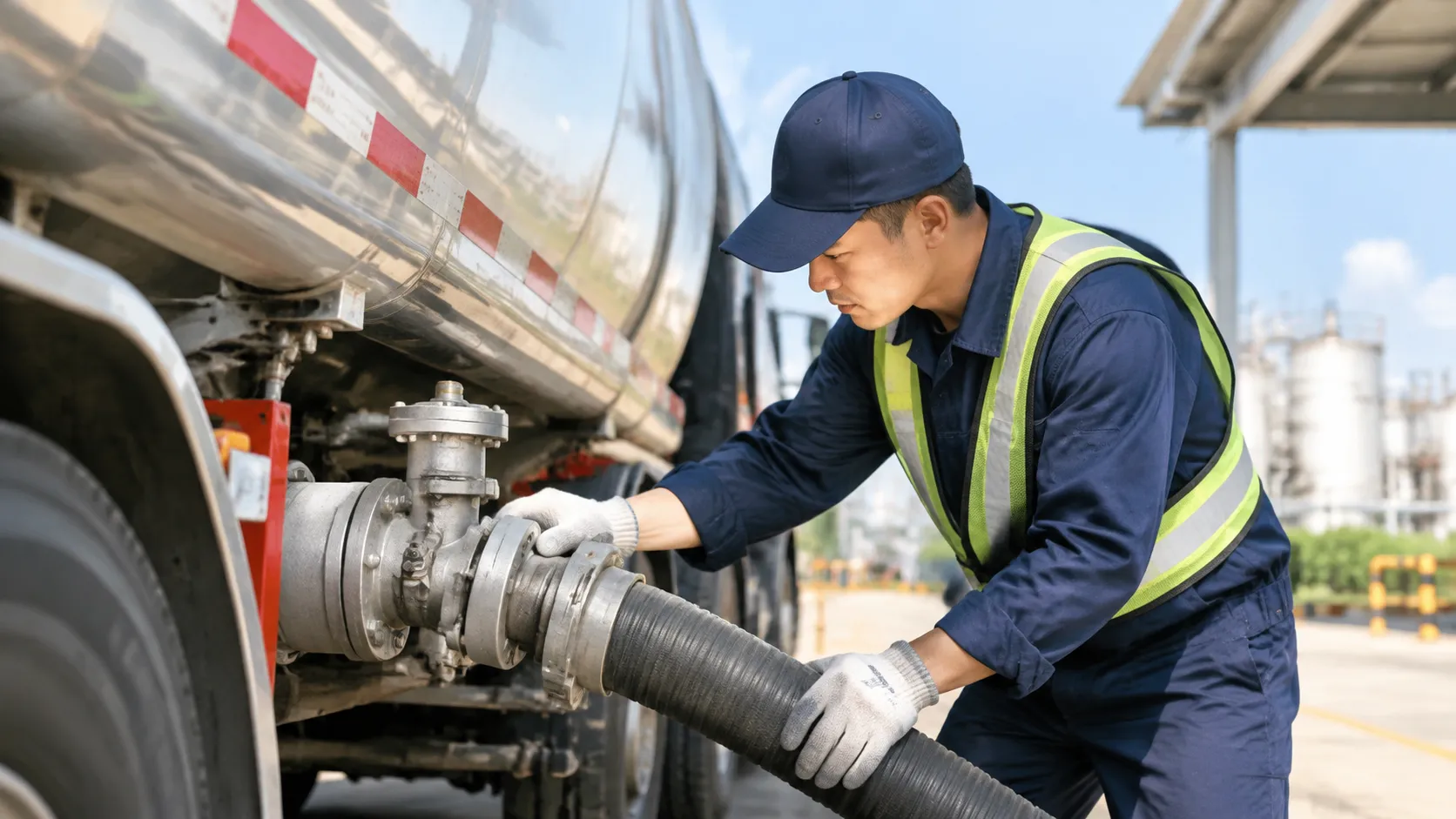
Daily Visual Inspections of Lifting Cables and Bellows
Before starting daily loading operations, run a quick visual check on the hoisting assembly and outer sleeve:
Lifting Cables: Inspect the stainless or galvanized wire ropes for kinks, fraying, bird-caging, or uneven tension. Ensure cables wind evenly onto the winch drums.
Industrial Loading Bellows: Check the outer fabric for tears, pinholes, or heavy abrasion. A damaged bellow leaks dust immediately during high-velocity venting.
Pulleys and Guides: Confirm that sheaves spin freely and cable retainers are intact to prevent cable jump-offs.
Routine Checks on Level Probes and Automatic Limit Switches
Sensors prevent spills and mechanical over-travel:
Level Sensors: Clean dust crusting off the tilt switches, vibrating forks, or rotary paddles at the discharge snout. Test their response to ensure instantaneous signal transmission to your feed gate.
Slack-Cable Switches: Manually test the safety interlock to confirm it halts the winch motor instantly if the discharge end rests unevenly on a truck hatch.
Vertical Travel Limit Switches: Verify that both the top park-position limit and bottom travel limit shut the drive motor off cleanly without over-stretching or crushing the flexible chute.
Monitoring Cone Wear Liners for Abrasive Solids
Handling abrasive minerals, sand, or clinker naturally wears down internal components:
Check the overlap zones of internal telescoping cones for thinning, grooving, or cracked weld seams.
Inspect Hardox, ceramic, or polyurethane bolt-in liners monthly under continuous loading duty.
Replace worn drop cones before material breaches the inner metal wall and damages the outer dust exhaust sleeve.
Cleaning Out Product Buildup to Prevent Fabric Binding
Material hang-up creates unnecessary dead weight and restricts vertical stroke:
Periodically cycle the spout to full stroke to shake loose non-caking powders.
For hygroscopic or damp bulk solids, wash down or blow out product buildup trapped inside bellow folds to prevent the fabric from binding and tearing during retract cycles.
Keep the exhaust plenum and venting rings clear of crusting so counter-current dust extraction airflow remains unrestricted.
Recommended Wear Part Replacement Schedule
| Component | Inspection Interval | Typical Replacement Timeline |
|---|---|---|
| Lifting Cables | Weekly | 6–12 Months (based on cycle count) |
| Outer Fabric Bellows | Monthly | 12–24 Months |
| Inner Telescopic Cones / Liners | Monthly | 12–36 Months (abrasive material dependent) |
| Integrated Filter Media | Quarterly | 12–18 Months |
| Hatch Sealing Gaskets | Weekly | 6–12 Months |
Keeping critical spare parts in your warehouse inventory eliminates lead-time delays. If your unit utilizes integrated filtration, maintaining fresh dust collector filter bags guarantees that airflow capacity matches material flow rates without choking your loading bay.
Frequently Asked Questions About Truck Loading Spouts
What is a truck loading spout?
A truck loading spout is a heavy-duty, vertically telescoping chute engineered to transfer dry bulk materials—such as powders, granules, pellets, and aggregates—from storage silos, hoppers, or conveyors directly into transport vehicles. By extending down to meet the vehicle's intake hatch or cargo bed, this bulk material loading chute prevents material free-fall, keeps fugitive dust sealed inside the system, and protects bulk products from moisture and cross-contamination during transfer.
How does a dustless loading spout control airborne dust?
Our dustless loading spout designs utilize a dual-pathway construction:
-
- Internal Product Flow: Solid material discharges downward through a series of interlocking, wear-resistant inner cones or a heavy-duty inner sleeve.
- Air Evacuation Annulus: The annular space between the inner cones and the outer flexible loading bellows acts as an exhaust plenum.
- Negative Pressure Extraction: As material fills the truck, it displaces air. A dust collection system pulls this air and entrained dust upward through the outer sleeve, returning the fines to the product stream or routing them directly to filtration.
Can one spout load both open-top flatbeds and closed tanker trucks?
Yes. We manufacture combination telescopic loading spouts engineered to handle both vehicle formats efficiently. When loading an enclosed tanker truck loading spout port, a lower rubber-lined sealing cone docks tightly against the circular inspection hatch. For open-top trucks, flatbeds, or rail cars, an automated or manual lowering dust skirt rests directly on top of the settling material pile to contain fugitive particulate clouds.
How do we determine the right vertical travel length for our site?
To size the vertical stroke of a retractable loading chute, we evaluate three core plant measurements:
-
- Discharge Mounting Height: The fixed distance from the ground level to your silo outlet flange.
- Vehicle Clearances: The height of the tallest empty truck (to ensure safe clearance when the spout is fully retracted) and the lowest empty truck bed (to ensure the spout reaches the floor during initial loading).
- Total Travel Stroke: The net difference between your fully retracted height and fully extended position, plus an operational safety margin of at least 12 inches (300 mm).
Does this loading spout need a dedicated dust collector?
Not necessarily. You have two primary airflow management options:
-
- Integrated Compact Filters: The spout features an onboard, pulse-jet cartridge filter mounted directly onto the top flange, venting clean air back to the loading bay and shaking captured fines back into the load.
- Central Plant Connection: The exhaust plenum connects via ductwork to a central plant system. Choosing between a localized unit or ducting depends on available air volumes and whether your process matches a baghouse vs cartridge dust collector setup.
What types of wear liners are available for abrasive minerals?
For handling abrasive bulk solids like clinker, silica sand, iron ore, and coarse aggregates, we supply inner telescoping cones lined with:
-
- Hardox / AR400 & AR500 Steel: Excellent impact resistance and sliding-abrasion protection.
- Ceramic Tile Linings: Extreme hardness for high-velocity, high-tonnage mineral processing.
- Polyurethane Liners: Great for wet or slightly sticky materials requiring both abrasion resistance and material release.
- 304/316 Stainless Steel: Corrosion resistance for fertilizers, food-grade powders, and harsh chemical salts.
Can we integrate the spout controls into our plant PLC?
Yes. Our control packages integrate directly with plant automation architectures via hardwired I/O, Modbus, Profinet, or Ethernet/IP. Common interlocking routines include:
-
- Automatic raise/lower sequencing via radio remote or pendant controls.
- Feedback loops tying spout level indicators directly to an automated slide gate valve or rotary feeder to instantly halt bulk flow when the vehicle reaches capacity.
- Slack-cable and over-travel limit switch signals that immediately trip feeder drives to protect personnel and structural components.
What regular maintenance is required to prevent downtime?
Keeping a dry bulk truck loader operating at peak efficiency requires simple, routine preventative servicing:
-
- Weekly Cable Inspections: Check wire lifting cables for fraying, kinks, and proper tensioning across all winch pulleys.
- Level Sensor Calibration: Clean bulk powder accumulation off the tilt level probes or rotary paddles to ensure reliable shutoff signals.
- Bellows Wear Checks: Inspect the outer fabric for tears, puncture holes, or seam separation to eliminate vacuum pressure loss.
- Drive Lubrication: Grease winch drive gears, bearings, and motor gearboxes per manufacturer-specified operating hours.